



Carol Henry in her darkroom.
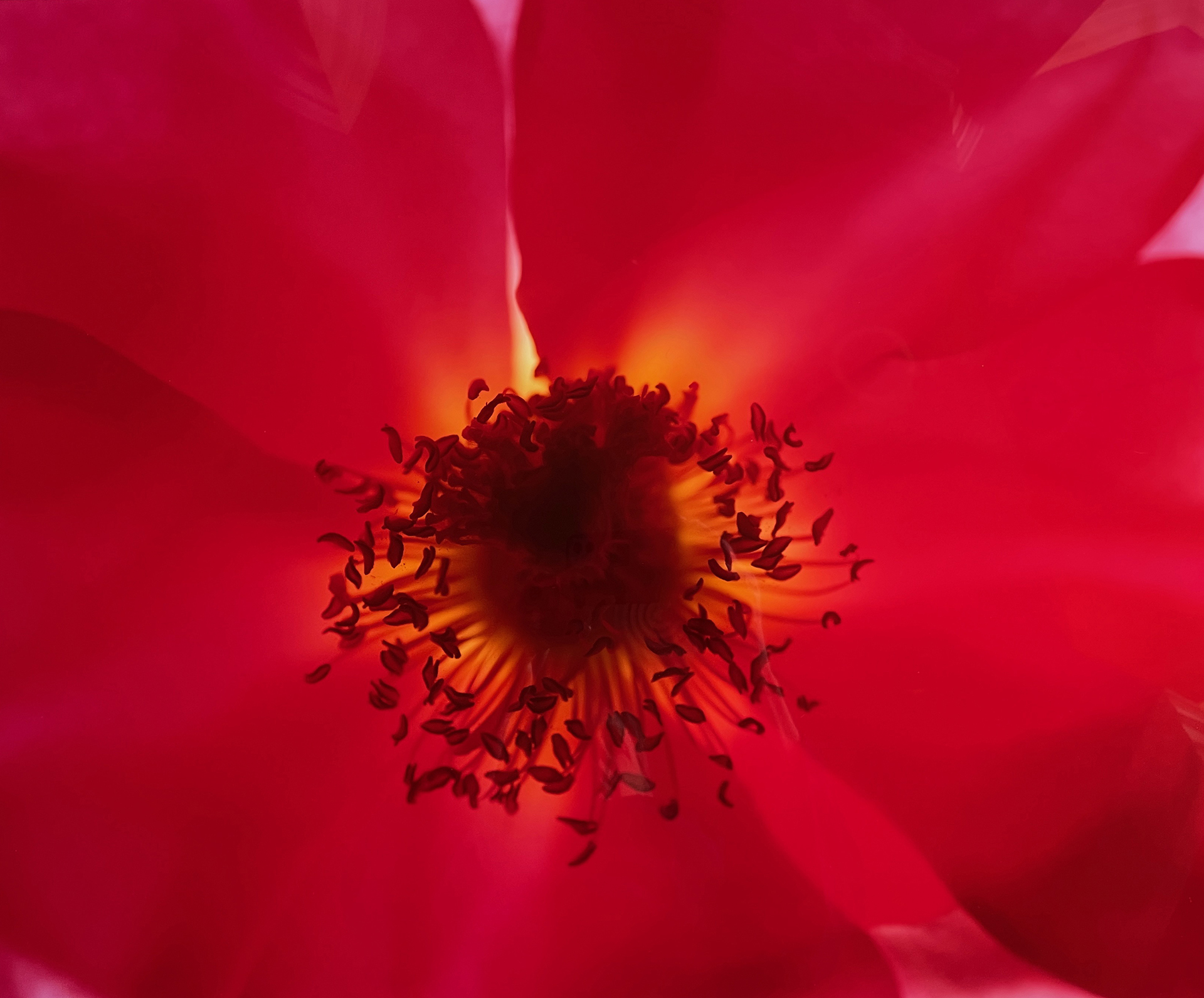
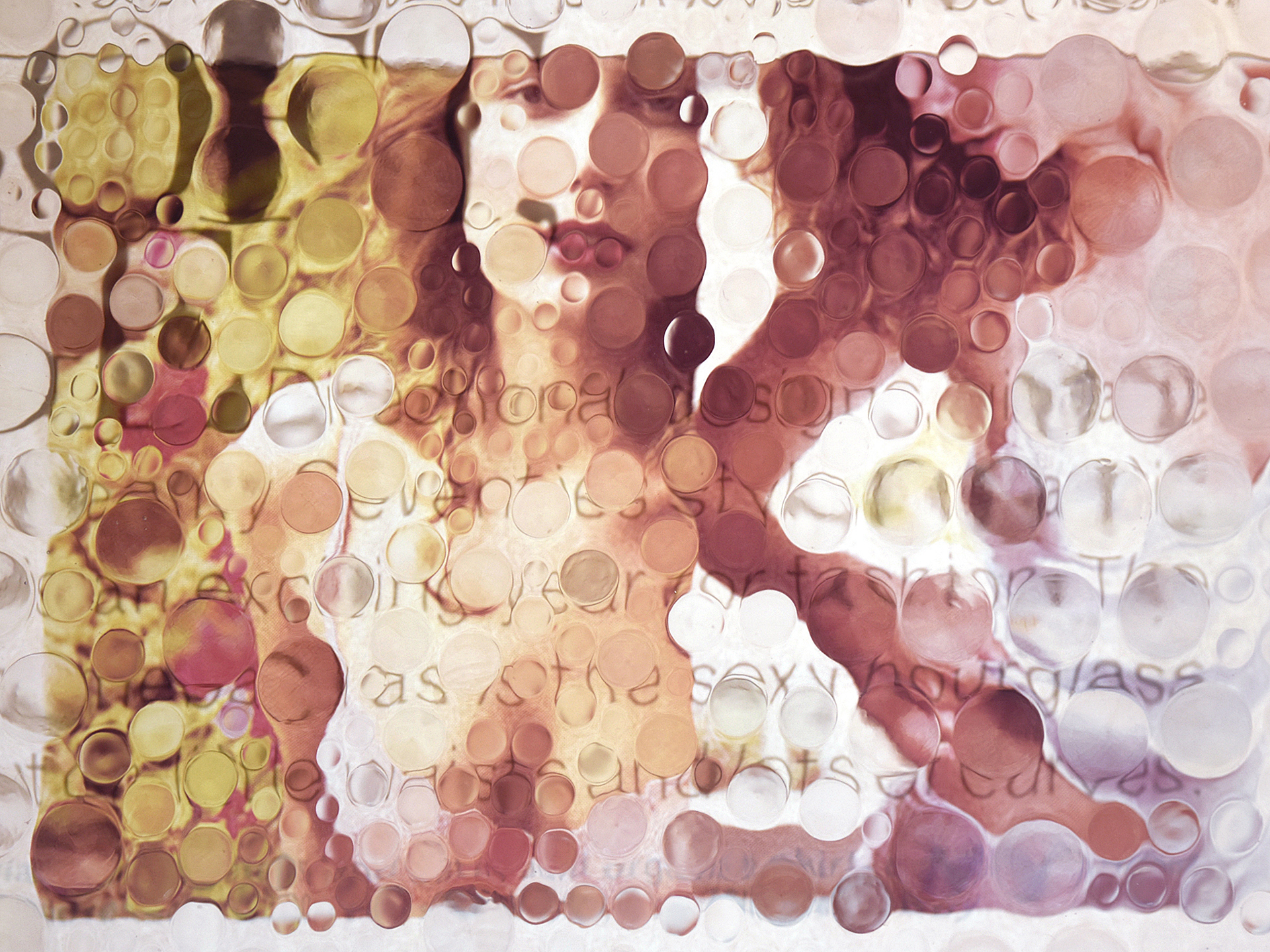
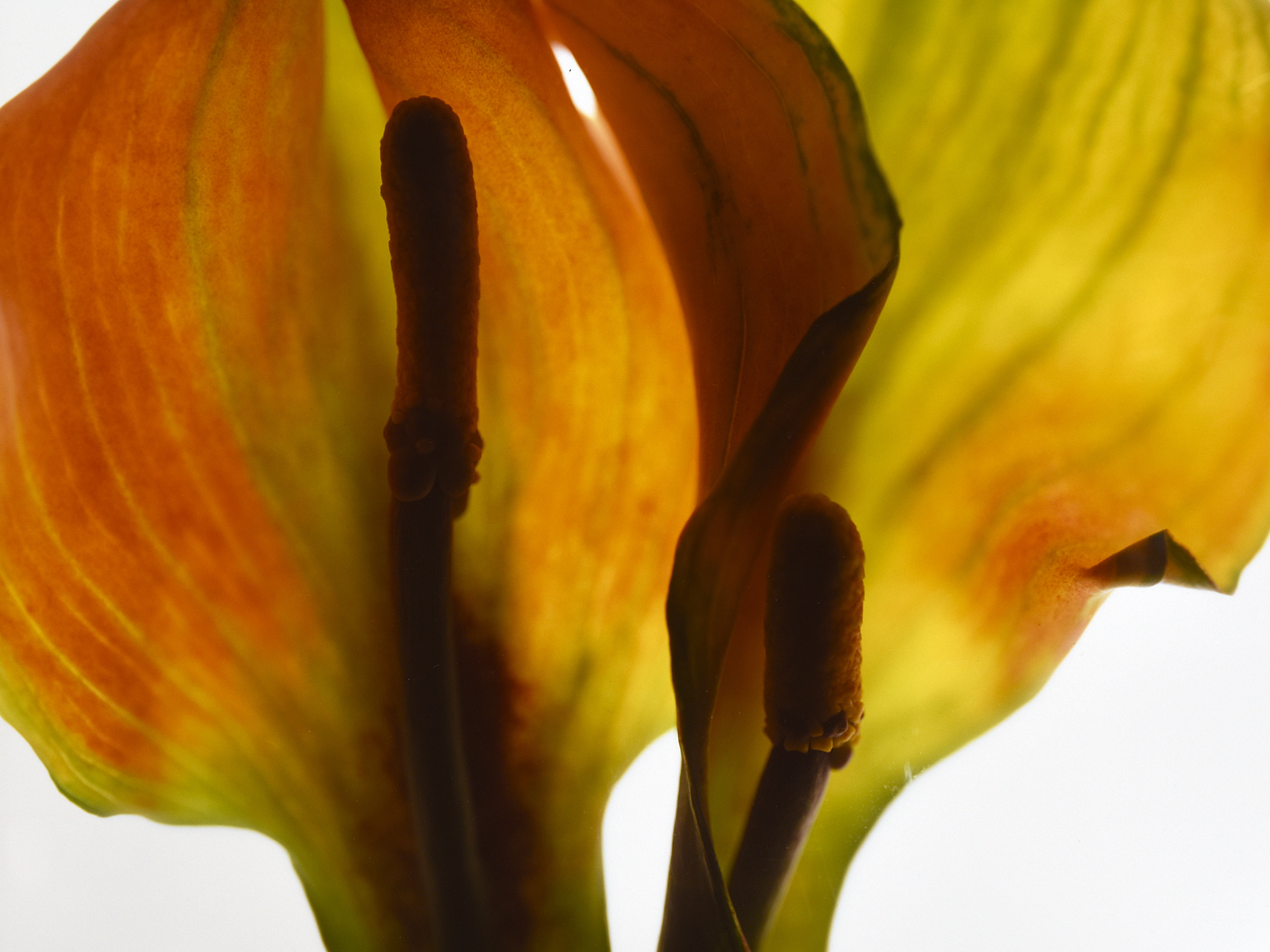
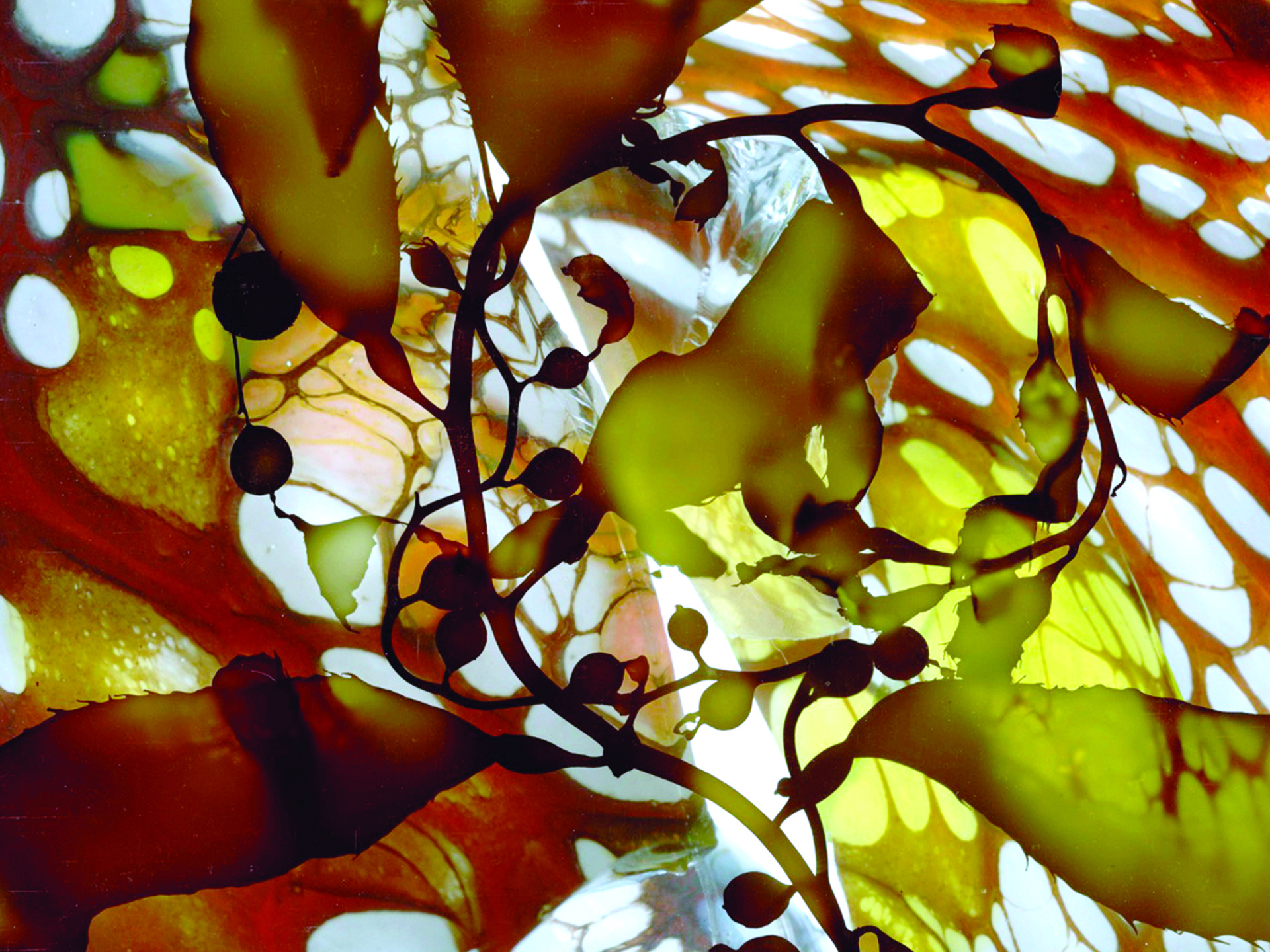
The darkroom is many things. It is a place where magic appears to happen. Watching a black and white image develop in an open tray is so exciting that it often is an entry into a lifetime pursuit and a costly hobby. For some, it was an introduction that led to the color darkroom. Being a fine art photography major in the early 1980s, the Swiss paper Cibachrome was beginning to pique photographers’ attention, including mine. I had a couple of years in a black and white darkoom under my belt when I was introduced to this amazing print material. It had an ultra-rich black that my favorite Oriental B & W paper had, along with snappy luminous color hues. It was a positive paper used with slide film, like Kodachrome, which I had been using for quite a while by then. I began experimenting and discovered that my obsession with light and the darkroom would allow me to project a controlled amount of enlarger light through something translucent and capture it on Cibachrome. The dye destruction process that occurs in the complex development revealed an outstanding photographic result. The positive print sings with not only amazing color but depth on the glossy surface. Since those first experimental moments, I knew that the unique one-of-a-kind photographs I was making would lead me to a lifetime of engagement in photography. I brought the process with me to Los Angeles, from Michigan, and eventually found a lab where I could continue on my darkroom path. During the next thirty years, I printed almost every day. In 2012, Ilford announced they would be taking one more order for the manufacturing of the magical material. Over the years, I developed gallery relationships with some of the best, and my work went to all corners of the world. These photographs are prints that I have held in my personal inventory. Please inquire.

Sunlight exposure of beach kelp, California.
After Cibachrome and a lifetime of handcrafted, unique photograph making and dedicating my career to editions of one, I decided to explore the historic medium Cyanotype. The difference being it is an 1840s technology. The process itself was developed by Sir John Herschel during the mighty period of photographic pursuits between rival countries. He lived in England and was family friends with a woman who loved nature. Her name was Anna Atkins and she adopted his combination of two chemicals, ferric ammonium citrate and potassium ferricyanide, to make lasting impressions of plants and British algae. I had become aware of her work from the mid 1800s through the Getty Museum in Los Angeles. One of the seductive characteristics of the cyanotype process is that it would allow me to use similar subjects that I had been using to make interesting new, unique photographs. But being a unique print is where the similarities between the two processes cease. The indigo color of a properly sensitized and exposed cyanotype is one of my favorite colors. The challenge for myself was to continue using compelling subjects and capture the same feeling of movement in my compositions which had been my desire in the previous decades. I’d like to think that people will see my signature style. There is something beautiful about using the 175 year old process which is some of the very earliest photographic historical process.

In the Depths

The place where I found time past with wonder and solace was the back woods on the property where I grew up. I had so much freedom to explore on my own and let my imagination guide me. One thing I discovered then was the amazing form of natural design. I could stare at it indefinitely. Wildflowers came directly out of the dry winter leaves– which captivated me. I also started a skull collection of beautiful remains that I found in the woods. Winter revealed the lacy design of trees, but summer flowers just made life seem so tranquil and filled the air with fragrance. I never tire of seeing and sharing Mother Nature!